 Skip to content

FAQs
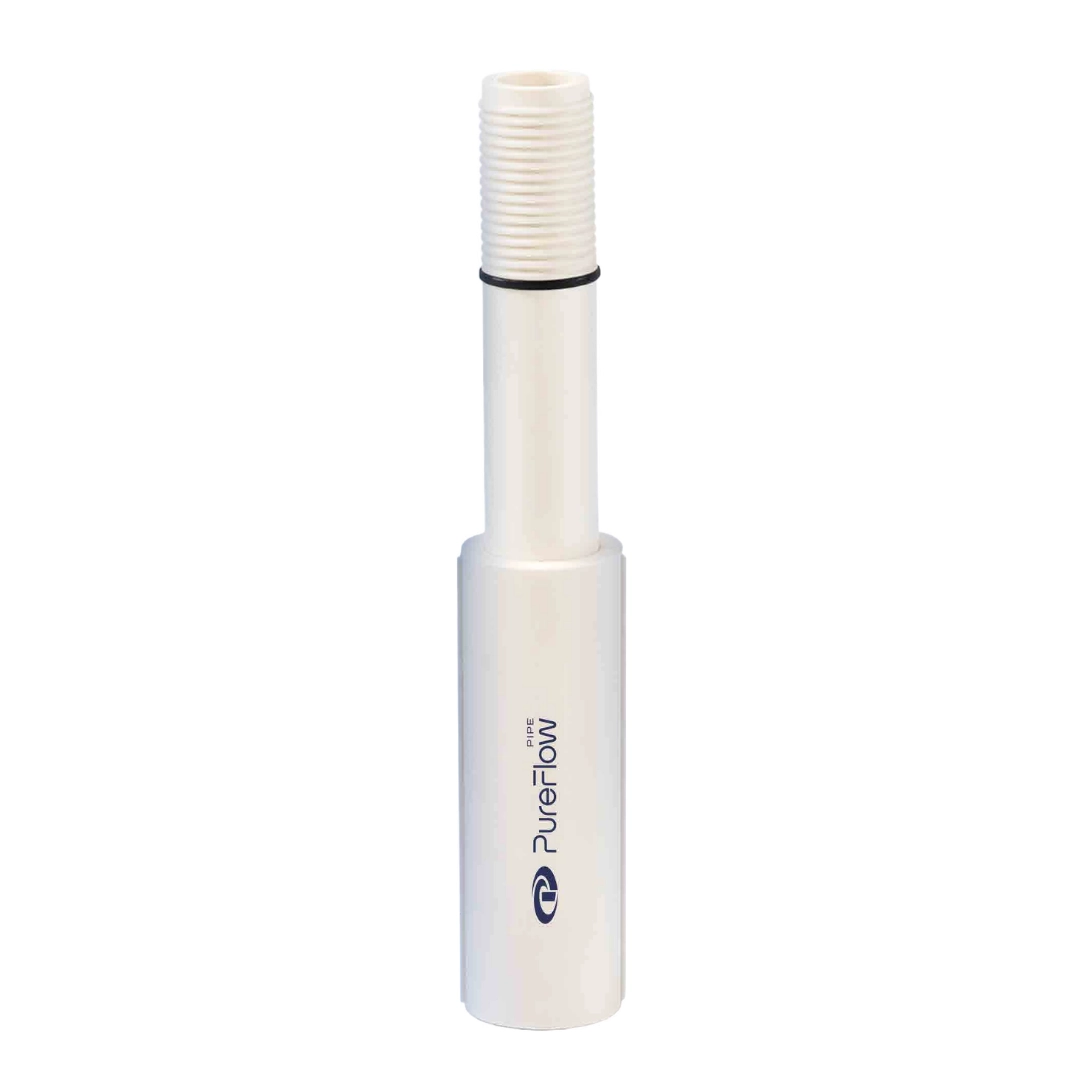
They are pipes made from Unplasticized Polyvinyl Chloride (UPVC) and are used as well casing or riser pipes in water wells due to their:
-
High corrosion resistance
-
Lightweight design
-
Long service life
-
Non-reactivity with saline water
-
They do not rust like metal pipes
-
Excellent resistance to salts and chemicals
-
Smooth internal surface reduces friction losses
-
Lower cost compared to stainless steel
| Type | Function |
|---|---|
| Casing | Supports the well wall and withstands soil pressure |
| Riser | Lifts water and carries the pump weight and operating pressure |
It refers to the maximum pressure rating the pipe can withstand (e.g., PN10 – PN16 – PN25).
The PN rating should be selected based on:
-
Water depth
-
Operating pressure
-
Possibility of water hammer
Yes, provided that:
-
A suitable Class is selected
-
Tensile stress caused by pump weight and water column is properly calculated
-
A safety factor of at least 2 is applied
It depends on:
-
Allowable tensile stress of the material
-
Pump weight
-
Cable weight
-
Weight of the water column
They are recommended for water temperatures not exceeding 45–50°C.
Yes, in the following cases:
-
Selecting a PN rating lower than required
-
Incorrect installation
-
Excessive tightening during installation
-
Severe water hammer
A smaller diameter increases:
-
Friction losses
-
Pump load
-
Reduced efficiency
Usually by a threaded system.
It is important to:
-
Use a proper pipe wrench
-
Avoid over-tightening
-
Ensure threads are clean
They do not require direct maintenance, but it is recommended to:
-
Check tightening torque
-
Inspect for cracks during pulling and servicing
Typically 25 to 50 years, depending on:
-
Manufacturing quality
-
Operating conditions
-
Installation method